
Changzhou Combs and Fine-Tooth Combs – The Artistic Inheritance of “Palace Combs and Famous Fine-Tooth Combs”
Historical Origin
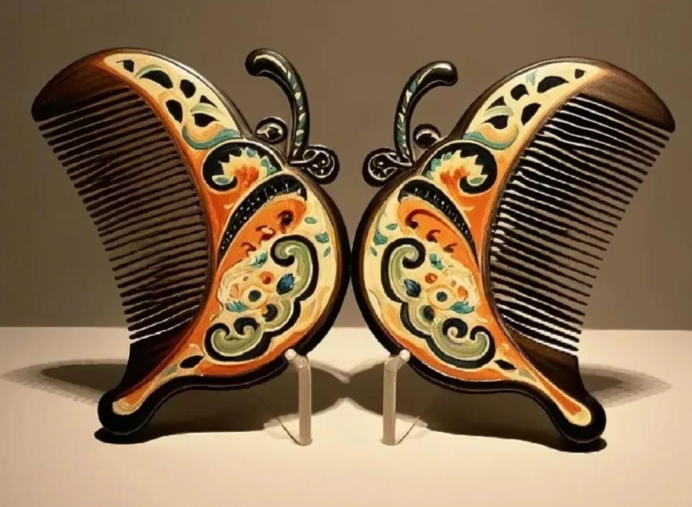
The craftsmanship of making Changzhou combs and fine-tooth combs dates back to the Wei and Jin dynasties, with a history of over 1,500 years. It has long been renowned as “Palace Combs and Famous Fine-Tooth Combs.” During the Ming and Qing dynasties, thanks to its exquisite craftsmanship and superior quality, Changzhou combs and fine-tooth combs were selected as imperial supplies for the royal court, becoming indispensable items for the imperial family and nobles. Meanwhile, they were also exported overseas through trade, gaining fame both at home and abroad.
Craft Characteristics
- Material Selection: Premium materials are carefully chosen, including high-quality woods such as century-old boxwood, photinia wood, and jujube wood, as well as top-grade moso bamboo, cattle horns, and sheep horns. These materials are hard in texture and fine in grain, not only durable but also endowed with natural health-preserving properties.
- Production Processes: The making of combs and fine-tooth combs involves 28 meticulous processes, each pursued to the highest standard of excellence. These include material selection, log cutting, shaping, carving, polishing, painting, and more. Among them, carving and polishing are the links that best reflect the craftsmanship level. Craftsmen rely on their rich experience and patience to carve and polish repeatedly until the surface of the comb/fine-tooth comb is smooth and delicate, and the patterns are exquisite and vivid.
Artistic Value
Changzhou combs and fine-tooth combs are not only daily necessities but also exquisite works of art. They feature a rich variety of carving themes, including traditional auspicious patterns (such as “dragon and phoenix bringing prosperity” and “pine and crane symbolizing longevity”), historical stories (such as “the Oath of the Peach Garden” and “Chang’e flying to the moon”), landscapes, flowers, and birds. The patterns are vivid and lifelike, boasting high artistic appreciation and collection value.
Inheritance Status
- National-level Inheritor: Jin Songqun
- Protection Measures:
- Included in the National Intangible Cultural Heritage List in 2008, obtaining official recognition and protection.
- Established a comb museum to systematically showcase the history, craftsmanship and culture of combs.
- Launched campus inheritance activities, integrating comb-making craftsmanship into school aesthetic education courses to cultivate young inheritors.
- Developed innovative products, combining modern design concepts to launch fashionable combs suitable for young people, meeting the needs of the modern market.
Visiting Experience
- Comb Museum
- Address: Xizhi Street, Zhonglou District, Changzhou City
- Opening Hours: 9:00-17:00
- Experience Activity: Comb-Making Workshop (Reservation Required) – Experience the joy of crafting combs with your own hands and create a unique comb of your own.
Purchasing Guide
- Traditional Craft Combs: Adopting classic craftsmanship and themes, exquisitely made, suitable for collection, priced at 200-800 yuan.
- Practical Combs: Focusing on practicality and cost-effectiveness, ideal for daily use, priced at 50-200 yuan.
- Tourist Souvenirs: Small-sized combs with exquisite and compact designs, priced at 20-50 yuan, perfect as gifts for relatives and friends.
Jintan Paper Cutting – An Artistic World Within Square Inches
Artistic Features
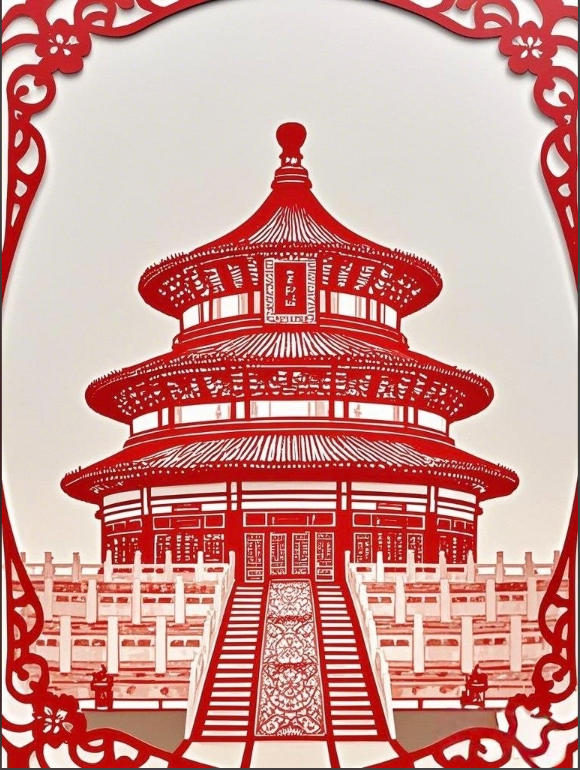
Jintan paper-cutting is a unique folk art form in the Changzhou region, renowned for its meticulous knife work, intricate compositions, and auspicious symbolism. Unlike the bold and unrestrained style of northern Chinese paper-cutting, Jintan paper-cutting embodies the exquisite and elegant aesthetic characteristic of Jiangnan art. Within a small space, it skillfully depicts a rich and intricate world, making it both aesthetically pleasing and artistic.
Historical Development
- Origins: During the mid-Ming Dynasty, it evolved from ritual objects used by temple monks. Initially employed to adorn shrines and scriptures, it gradually spread among the populace, becoming a decorative element for festive occasions such as holidays and weddings.
- Flourishing Period: From the Qing Dynasty to the Republican era, Jintan paper-cutting techniques matured significantly, establishing it as a prominent folk decorative art. Skilled artisans emerged in large numbers, and their works gained widespread popularity across the Jiangnan region.
- Innovation: Modern paper-cutting has incorporated new themes and techniques while building on traditional foundations. Subjects now encompass urban development, contemporary themes, and abstract art, breathing new life into this ancient art form.
Techniques and Craftsmanship
- Tools and Materials:
- Carving Knives: Specially crafted knives of various specifications, including flat, round, and angled blades, are used to carve different types of lines.
- Wax Plate: Used as a cutting base, it is made from a blend of beeswax and paraffin wax. Its soft texture allows the knife to glide smoothly while protecting the paper from damage.
- Xuan Paper: High-quality Xuan paper is selected for its thinness, durability, and suitability for intricate designs. It also absorbs dyes effectively.
- Dyes: Traditional plant-based dyes are used, offering natural, soft, and eco-friendly colors that enhance the classical charm of the artwork.
- Production Process:
- Design Drafting: A detailed design is created based on the chosen theme, emphasizing balanced composition and exquisite details.
- Finalizing and Securing the Paper: The design draft is firmly fixed onto Xuan paper using nails or clips to prevent any movement during the carving process.
- Carving According to the Draft: Holding a specialized carving knife, the artisan follows the lines of the draft using techniques such as intaglio (carving away the design), relief (keeping the design), or a combination of both. The focus is on precision, ensuring smooth and delicate lines.
- Pasting and Mounting: Once the carving is complete, the artwork is carefully pasted and mounted. This enhances its visual appeal and ensures its long-term preservation.
Subject matter
- Traditional Themes: Auspicious patterns (such as symbols for fortune, prosperity, longevity, and happiness), folktales (like The Cowherd and the Weaver Girl and Butterfly Lovers), and opera characters, which embody people’s aspirations for a better life.
- Modern Themes: Urban development, contemporary scenes, and abstract art, reflecting social progress and changes of the times, while infusing the art of paper-cutting with new contemporary significance.
- Religious Themes: Buddhist stories, Taoist figures, and others, preserving the origins of paper-cutting and showcasing the unique charm of religious culture.
Representative Inheritors
- Yang Zhaoqu: A representative inheritor of national-level intangible cultural heritage, he has dedicated decades to mastering Jintan paper-cutting, developing exceptional skill and a distinctive style. He founded the Jintan Paper-cutting Research Institute, committed to preserving and innovating the craft. His works have been collected by multiple museums, and he frequently participates in cultural exchange activities at home and abroad, promoting Jintan paper-cutting on the global stage.
Learning Experience
- 刻纸工作坊
- Paper-Cutting Workshop
- Venue: Jintan Intangible Cultural Heritage Protection Center
- Course Content: Basic knife techniques, simple pattern carving, and artwork mounting, all guided by professional artisans. Suitable for absolute beginners.
- Duration: 2-hour experience course
- Fee: 80 RMB per person (includes materials), allowing you to appreciate the artistic charm of Jintan paper-cutting in a short time and create your own carved paper artwork.